
What Is TPO Roofing and Why It Could Be the Best Choice for Your Property
When choosing flat roof materials, many property owners ask, what is TPO roofing and why is it gaining popularity? TPO, or thermoplastic polyolefin roofing, offers a modern solution for commercial buildings, facility managers, and homeowners with flat or low-slope roofs. This roofing material combines durability, energy efficiency, and cost-effectiveness, making it a strong contender in the roofing market.
Understanding what TPO roofing is and how it works can help you decide if it fits your property's needs. This post explains the basics of TPO roofing, its benefits, drawbacks, comparisons with other materials, lifespan, maintenance tips, and whether it suits your building.
What Is TPO Roofing?
TPO roofing stands for thermoplastic polyolefin roofing, a single-ply roofing membrane made from a blend of polypropylene and ethylene-propylene rubber. It is widely used for flat and low-slope roofs due to its reflective surface and strong resistance to weather elements.
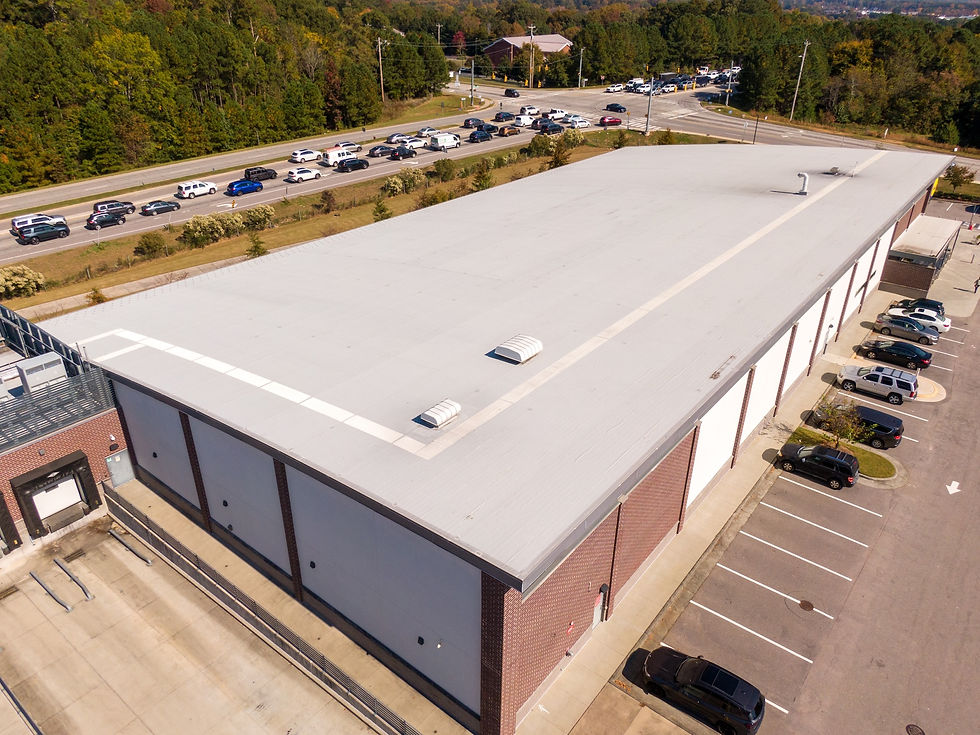
The TPO roof membrane is typically white or light-colored, which helps reflect sunlight and reduce heat absorption. This feature makes it an energy-efficient choice for buildings in warmer climates or those looking to lower cooling costs.
How TPO Roofing Works
TPO roofing works by creating a seamless, waterproof barrier over your roof. The membrane is installed in large sheets and heat-welded at the seams to form a continuous surface. This process prevents leaks and improves the roof's overall integrity.
The material resists UV rays, chemical exposure, and punctures, which helps maintain its performance over time. Its flexibility allows it to expand and contract with temperature changes, reducing the risk of cracks or damage.
Key Benefits of TPO Roofing
TPO roofing material offers several advantages that make it attractive for property owners:
Energy Efficiency: The reflective surface reduces heat absorption, lowering cooling costs and improving indoor comfort.
Durability: Resistant to UV rays, chemicals, and punctures, TPO roofs maintain their integrity in harsh weather conditions.
Cost-Effectiveness: TPO roofing is generally more affordable than other single-ply membranes like PVC, offering a good balance between price and performance.
Ease of Installation: The heat-welded seams create a strong bond, speeding up installation and reducing labor costs.
Environmentally Friendly: TPO is recyclable and often contains no chlorine, making it a greener option compared to some alternatives.
Potential Drawbacks of TPO Roofing
While TPO roofing has many benefits, it also comes with some limitations:
Variable Quality: The quality of TPO membranes can vary between manufacturers, so choosing a reputable brand is essential.
Shorter Lifespan Compared to PVC: TPO roofs typically last 15 to 20 years, which is less than some other materials like PVC that can last 25 years or more.
Susceptibility to Shrinkage: In some cases, TPO membranes may shrink over time, potentially causing stress on seams and fasteners.
Limited Color Options: Most TPO membranes come in white or light colors, which may not suit all aesthetic preferences.
TPO vs Other Roofing Materials
Comparing TPO roofing with other popular flat roof materials helps clarify its position:
TPO vs EPDM
Material: EPDM is a rubber-based membrane, while TPO is a thermoplastic.
Color: EPDM is usually black, absorbing more heat; TPO is white or light-colored, reflecting heat.
Durability: EPDM is highly resistant to weathering but can be prone to punctures; TPO offers better puncture resistance.
Cost: EPDM is often less expensive but may lead to higher cooling costs due to heat absorption.
TPO vs PVC
Material: Both are thermoplastic membranes, but PVC contains chlorine, while TPO does not.
Durability: PVC generally lasts longer and has better chemical resistance.
Cost: TPO is usually more affordable than PVC.
Environmental Impact: TPO is considered more environmentally friendly due to its chlorine-free composition.

How Long TPO Roofs Last
The typical lifespan of a TPO roof ranges from 15 to 20 years. This depends on factors such as:
Quality of the TPO roofing material
Installation method and workmanship
Local climate and weather exposure
Maintenance practices
Proper installation and regular maintenance can extend the life of your TPO roof, helping you get the most value from your investment.
Maintenance and Care Tips
Maintaining a TPO roof is straightforward but important for longevity:
Regular Inspections: Check for punctures, tears, or seam issues at least twice a year and after severe weather.
Clean the Surface: Remove debris, dirt, and algae to prevent damage and maintain reflectivity.
Repair Damage Promptly: Address any punctures or seam separations quickly to avoid leaks.
Avoid Sharp Objects: Keep roof traffic minimal and avoid dragging equipment across the membrane.
Professional Maintenance: Schedule professional roof inspections and maintenance to catch issues early.

Is TPO Roofing Right for Your Property?
TPO roofing suits many commercial properties, facility managers, and homeowners with flat or low-slope roofs who want:
A cost-effective roofing solution with good durability
Improved energy efficiency through reflective roofing
A roofing material that is easy to install and maintain
If your property experiences high sun exposure or you want to reduce cooling costs, TPO roofing is a strong candidate. However, if you need a longer-lasting roof or specific color options, you might consider alternatives like PVC.
Consulting a roofing professional can help you evaluate your property's specific needs and determine if TPO roofing is the best fit.
Choosing the right roofing material impacts your property's protection, energy costs, and maintenance needs. Understanding what is TPO roofing and how it compares to other options empowers you to make an informed decision.
For a thorough roof inspection or a personalized quote, contact Elite Remodeling Services today. They can assess your roof's condition and recommend the best flat roof materials for your property.



Comments