
How Proactive Roof Maintenance Saves Commercial Property Owners Money
Updated: Sep 29
A damaged or poorly maintained roof can lead to costly repairs and disruptions for commercial properties and multi-family homes. Many property managers and owners wait until a leak or visible damage appears before addressing roofing issues. This reactive approach often results in emergency repairs that cost far more than regular maintenance or timely upgrades. Understanding the hidden costs of neglecting your roof and knowing when to consider a commercial roofing upgrade can protect your investment and save money in the long run.

Why Roof Maintenance Matters for Commercial and Multi-Family Properties
Roofs on commercial buildings and multi-family homes face constant exposure to weather, temperature changes, and foot traffic from maintenance or inspections. Over time, these factors cause wear that can lead to leaks, mold growth, and structural damage. Unlike single-family homes, commercial and multi-family roofs cover larger areas and often have more complex systems, making repairs more expensive and disruptive.
Regular maintenance helps identify small problems before they escalate. For example, clearing debris from drains and gutters prevents water pooling, which can cause leaks and damage roofing materials. Inspecting seals around vents and skylights ensures they remain watertight. These simple steps extend the roof’s lifespan and reduce the risk of emergency repairs.
The Hidden Costs of Delaying Roof Repairs
Ignoring minor roofing issues can lead to several hidden costs that impact your budget and property value:
Emergency Repair Expenses
Emergency repairs often require immediate attention, which means paying premium rates for labor and materials. A small leak left unchecked can cause water damage to ceilings, walls, and electrical systems, increasing repair costs beyond the roof itself.
Business Disruption and Tenant Complaints
For commercial properties and multi-family homes, roof problems can disrupt daily operations or tenant comfort. Water leaks may force temporary closures or relocations, leading to lost revenue and unhappy tenants.
Reduced Energy Efficiency
Damaged roofs allow heat or cool air to escape, increasing energy bills. Proper maintenance and timely upgrades improve insulation and ventilation, lowering utility costs.
Decreased Property Value
A neglected roof signals poor property management and can reduce market value. Potential buyers or tenants may hesitate to commit, knowing they face costly repairs soon.
Signs It’s Time to Consider a Commercial Roofing Upgrade
While maintenance can extend a roof’s life, some roofs reach a point where repairs no longer make financial sense. Consider a roofing upgrade if you notice:
Frequent Repairs
If your roof requires repairs multiple times a year, the cumulative cost may exceed the price of a new roof.
Age of the Roof
Most commercial roofs last 15 to 25 years depending on materials. If your roof is near or past this range, an upgrade can prevent sudden failures.
Widespread Damage
Large areas of blistering, cracking, or ponding water indicate the roof’s integrity is compromised.
Energy Inefficiency
Rising energy bills despite maintenance suggest your roof no longer insulates properly.
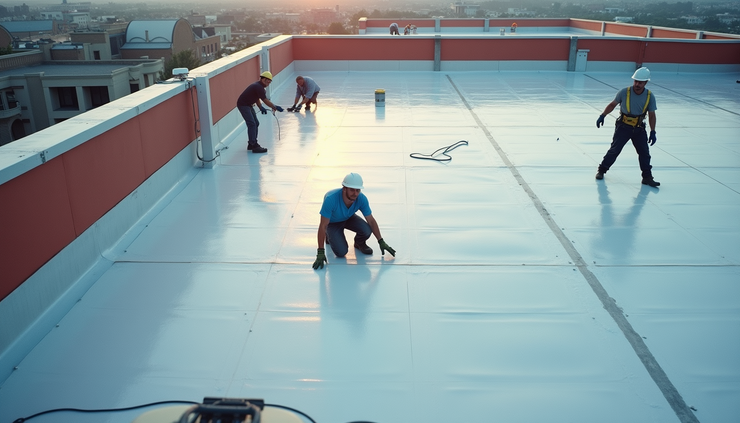
Upgrading to modern roofing materials can improve durability, energy efficiency, and even reduce maintenance needs. For example, TPO or PVC roofing membranes offer excellent weather resistance and reflectivity, lowering cooling costs.
How Proactive Maintenance Saves Money Over Time
Investing in regular roof inspections and maintenance creates savings in several ways:
Early Problem Detection
Catching small issues early prevents them from turning into costly repairs. For instance, resealing a small crack costs a fraction of replacing a large section of roofing.
Extended Roof Lifespan
Proper care can add years to your roof’s service life, delaying the need for a full replacement.
Lower Energy Costs
Maintaining insulation and reflective coatings keeps energy bills down.
Avoiding Emergency Repairs
Planned maintenance allows budgeting and scheduling repairs during off-peak times, avoiding premium emergency rates.
Protecting Property Value
A well-maintained roof supports higher property values and tenant satisfaction.
Property managers who schedule biannual inspections and maintenance often report 20-30% lower roofing expenses over a decade compared to reactive repairs alone.
Practical Tips for Maintaining Commercial and Multi-Family Roofs
Schedule professional roof inspections at least twice a year, ideally before and after harsh weather seasons.
Keep gutters, drains, and scuppers clear of debris to prevent water buildup.
Repair minor damage such as cracks, blisters, or loose flashing promptly.
Maintain rooftop equipment seals to avoid leaks.
Consider upgrading to energy-efficient roofing materials when replacement is necessary.
Document all maintenance and repairs to track roof condition and plan future work.
Taking these steps reduces the risk of unexpected failures and spreads roofing costs over time.


Comments