
Transform Your Home with Smart Lighting and Automation Solutions
Updated: Feb 3
Smart lighting and home automation are no longer futuristic ideas. They are practical upgrades that can enhance comfort, save energy, and add value to your Connecticut home. When combined with remodeling projects, these technologies create living spaces that are both modern and functional. This post explores how integrating smart lighting with remodeling, the benefits of automation, and thoughtful lighting design can transform your home’s mood and usability.
Integrating Smart Lighting with Remodeling Projects
When planning a home remodel, lighting often plays a supporting role. Yet, it can be a central feature that shapes the entire space. Smart lighting systems allow you to customize brightness, color temperature, and scheduling to suit your lifestyle and design preferences.
For example, if you are remodeling your kitchen, installing smart recessed lights and under-cabinet LED strips can brighten work areas precisely when needed. These lights can be programmed to turn on automatically when you enter the room or dim during late-night hours. In a bathroom remodel, smart lighting can create a spa-like atmosphere with adjustable hues and intensity.
In Connecticut homes, where natural light varies with the seasons, smart lighting can compensate for shorter daylight hours in winter. Integrating these systems during remodeling avoids costly retrofits later and ensures wiring and controls are seamlessly hidden.
Practical Tips for Integration
Plan lighting zones based on room function and furniture layout.
Choose fixtures compatible with popular smart home platforms like Google Home or Amazon Alexa.
Include dimmers and color-changing bulbs for flexibility.
Work with electricians experienced in smart home wiring.
Energy Savings and Convenience of Automated Systems
Smart lighting is not just about aesthetics. It offers measurable energy savings by reducing unnecessary electricity use. Automated systems can turn off lights when rooms are empty or adjust brightness based on ambient daylight.
In Connecticut, where energy costs can fluctuate, these savings add up. According to the U.S. Department of Energy, LED bulbs use at least 75% less energy than incandescent lighting. When combined with automation, the reduction in energy consumption can be even greater.
Automation also adds convenience. Imagine arriving home on a dark winter evening and having your porch lights turn on automatically. Or setting your bedroom lights to gradually brighten in the morning, mimicking sunrise to help you wake naturally.
Benefits of Automation
Lower electricity bills through efficient use.
Increased home security with scheduled or sensor-triggered lighting.
Enhanced comfort with personalized lighting scenes.
Remote control via smartphone apps for flexibility.
How Lighting Design Affects Mood and Functionality in Each Room
Lighting influences how we feel and how well we perform tasks. Different rooms require different lighting strategies to support their purpose.
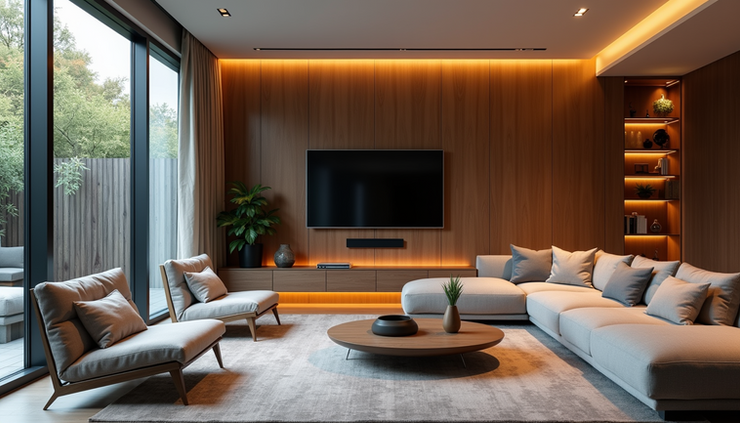
Living Rooms: Use warm, dimmable lights to create a cozy atmosphere for relaxation or entertaining guests. Accent lighting can highlight artwork or architectural features.
Kitchens: Bright, cool-toned lights improve visibility for cooking and cleaning. Task lighting under cabinets reduces shadows on countertops.
Bedrooms: Soft, adjustable lighting helps with winding down before sleep. Smart bulbs can shift from bright white to calming amber tones.
Home Offices: Balanced lighting reduces eye strain and boosts productivity. Adjustable desk lamps combined with overhead smart lights offer control.
Bathrooms: Layered lighting with bright task lights near mirrors and softer ambient lights enhances grooming and comfort.
Smart lighting systems allow you to tailor these effects easily. You can create preset scenes for movie nights, dinner parties, or quiet reading time with a simple voice command or app tap.

Combining Tech Upgrades with Traditional Remodeling for a Modern Connecticut Home
Smart lighting and automation work best when integrated with traditional remodeling elements. For example, pairing smart lighting with new cabinetry, flooring, or paint colors can enhance the overall design impact.
In Connecticut, many homeowners blend classic New England architectural styles with modern technology. Smart lighting can highlight crown molding, exposed beams, or built-in shelves while maintaining the home’s character.
When remodeling older homes, smart lighting can also improve safety by illuminating stairways and entryways automatically. It can be part of a broader smart home upgrade that includes security cameras, thermostats, and voice assistants.
Steps to Combine Technology and Remodeling
Start with a clear remodeling plan that includes lighting goals.
Choose smart devices that complement your home’s style.
Coordinate with contractors to ensure smooth installation.
Test and adjust lighting scenes after remodeling to fine-tune ambiance.

Conclusion
Smart lighting and automation offer more than just convenience. They provide a way to personalize your home environment, improve energy efficiency, and enhance the beauty and function of your living spaces. For Connecticut homeowners, combining these technologies with remodeling projects creates homes that are ready for today and adaptable for the future.


Comments